
Fatigue, lower motivation, changes in body composition, or reduced libido can prompt questions about testosterone. In Miami, the safest starting point is not a supplement or a symptom checklist. It is a clinical conversation that considers your history, symptoms, medications, overall health, and appropriate laboratory testing.
For adults researching trt for men miami, physician-supervised care means confirming whether symptoms and consistently low testosterone are present. It also means investigating possible causes and discussing whether treatment is medically appropriate. The Endocrine Society recommends diagnosis only when compatible symptoms occur alongside consistently low testosterone concentrations. Repeat morning testing can confirm a low result. Read the clinical practice guideline.
Andropause is often used to describe age-related changes, but it is not a diagnosis that can be made from age or one symptom alone. Understanding which changes deserve evaluation, and why they may have more than one cause, is the right place to begin. This educational guide does not replace evaluation by a qualified healthcare professional.
What Andropause Means and Which Symptoms Deserve Evaluation
Andropause is a commonly used term for age-related changes in male hormone levels and the symptoms that may accompany them. It is not a diagnosis that can be made from age or a symptom checklist alone. Testosterone levels, health conditions, medications, sleep, stress, and other factors can overlap in ways that make a careful evaluation important.
Symptoms can be real without identifying the cause
Men may seek medical guidance after noticing persistent fatigue, lower energy, reduced muscle mass. Weight gain that does not respond as expected to diet, or a decrease in motivation. Changes in libido or sexual performance may also prompt questions about testosterone. Mood changes, reduced mental sharpness, hair loss, and joint discomfort are additional concerns sometimes included in a low-testosterone evaluation.
These symptoms deserve attention, especially when they persist, interfere with daily life, or occur in combination. However, they are nonspecific. Fatigue, changes in body composition, mood concerns, and sexual symptoms can have multiple causes. A symptom by itself does not confirm testosterone deficiency, and it should not be used to select treatment or determine a dose.
What evaluation can and cannot establish
A meaningful assessment considers the full clinical picture. That includes the symptoms a person is experiencing, relevant medical history, current medications, and appropriate laboratory testing. Testing can help determine whether testosterone is consistently low, but one result should not be treated as a complete answer without clinical context. A qualified clinician can also consider whether another health concern better explains the change.
Not every adult with age-related symptoms is a candidate for testosterone replacement therapy. Treatment is considered only after documented medical findings and clinician review support a medically appropriate plan. The Endocrine Society recommends diagnosing hypogonadism when compatible symptoms or signs occur together with consistently and unequivocally low testosterone concentrations. This distinction helps prevent both missed causes and unnecessary treatment.
If you are researching care for TRT for men in the Miami area, use the consultation to describe what changed, when it began, and how it affects your health. Educational information cannot replace evaluation by a qualified healthcare professional, and this article is not a diagnosis or individualized treatment recommendation.
How Physicians Evaluate Low Testosterone Before TRT
A careful evaluation looks beyond a single symptom or lab value. Fatigue, low energy, reduced muscle mass, weight changes, low sex drive, sexual performance concerns. Mood changes, and reduced motivation may prompt a conversation, but they can have many causes. They are not proof of testosterone deficiency. The Endocrine Society recommends diagnosing hypogonadism only when compatible symptoms or signs occur together with consistently and unequivocally low testosterone concentrations. Read the Endocrine Society guideline for the clinical framework.
Begin with a physician consultation
The process starts with a review of symptoms, health history, medications, prior diagnoses, lifestyle factors, and the concerns that brought you to care. A physical examination may be appropriate based on that discussion. This context helps a physician decide whether testosterone testing is relevant and whether another explanation should be considered first. Routine screening of the general population is not recommended, so testing should be guided by the clinical picture rather than age or a symptom checklist alone.
Measure testosterone with appropriate morning testing
When symptoms and history support evaluation, a clinician may order an accurate laboratory assessment of total testosterone and, when clinically appropriate, free testosterone. Testosterone levels vary during the day, which is why the timing and conditions of collection matter. The Endocrine Society recommends confirming a low result by repeating a morning fasting total testosterone measurement. One isolated result should not be treated as a complete diagnosis.
Confirm whether the pattern is consistently low
The physician reviews both laboratory results alongside the symptoms and examination findings. If the repeat morning value is not consistently low, the evaluation may point away from testosterone deficiency and toward other possible causes. If symptoms are present and low results are confirmed, the next step is not automatically treatment. The goal is to understand why the results are low and whether treatment would be medically appropriate.
Investigate the possible cause
Additional evaluation can help distinguish primary testicular hypogonadism from secondary hypothalamic-pituitary hypogonadism. The Endocrine Society recommends measuring luteinizing hormone and follicle-stimulating hormone for this purpose. Depending on the history and findings, a physician may also review other health factors and blood work that could affect symptoms or hormone results. This cause-focused approach supports a more informed discussion of options and risks.
Review the findings before discussing a plan
At Body Rx, the men’s TRT pathway begins with physician consultation and complete blood panel testing. Its diagnostic-first sequence includes comprehensive testing, medical review, a personalized health plan, treatment only when medically appropriate, and ongoing monitoring. You can learn more about the practice’s diagnostic testing process before scheduling a discussion. A qualified physician should review your individual findings, explain alternatives and relevant risks, and determine whether further evaluation is needed.
Educational information cannot determine whether TRT is appropriate for you. Discuss symptoms and laboratory results with a qualified healthcare professional rather than starting treatment based on an online checklist.
Who May Be a Candidate for Testosterone Replacement Therapy?
TRT candidacy is a clinical decision, not an age-based assumption. Fatigue, reduced energy, changes in muscle mass, low sex drive, mood changes, or sexual performance concerns may prompt an evaluation, but these symptoms can have several causes. They do not establish testosterone deficiency on their own.
The Endocrine Society recommends diagnosing hypogonadism only when compatible symptoms or signs occur together with consistently and unequivocally low testosterone concentrations. A clinician therefore considers the complete picture, including medical history, symptoms, examination when appropriate, and properly interpreted laboratory results. Review the Endocrine Society guideline for the diagnostic standard.
Symptoms and consistently low results must align
A possible candidate generally needs more than a single low result or a general concern about aging. Testing should be interpreted in context, and a low morning result may need confirmation with a repeat morning fasting measurement. The evaluation may also explore why testosterone is low and distinguish different forms of hypogonadism. This approach helps separate a potentially treatable deficiency from symptoms caused by sleep problems, stress, another health condition, medication effects, or other factors.
Body Rx describes its process as consultation-led and diagnostic-first: a physician consultation and comprehensive blood work are followed by medical review and a personalized plan. Treatment is considered only when medically appropriate, rather than assumed from a person’s age or symptom checklist.
Fertility plans and safety concerns matter
Fertility planning should be discussed before any treatment decision. The Endocrine Society recommends against starting testosterone therapy in men who are planning fertility in the near term. If having children soon is important, tell the clinician early so the conversation can address that priority and possible alternatives.
A qualified clinician should also review relevant health history, current medications, risks, and circumstances that may make testosterone therapy unsuitable or require additional evaluation. Testosterone should not be presented as risk-free. The Endocrine Society notes continuing uncertainty about the balance of benefits and risks, which makes informed consent and realistic expectations essential. A decision should reflect the documented findings, potential benefits, possible harms, and the patient’s preferences.
Shared decisions continue after the initial visit
When TRT is considered, ask how results will be monitored, what would prompt a change in the plan, and how concerns will be handled. Suitability is not a one-time label. Follow-up testing and clinical review help determine whether continuing treatment remains appropriate. If you are researching TRT for men in the Miami area, use a consultation to discuss symptoms, testing, fertility, treatment suitability, monitoring, and risks. Educational content cannot replace evaluation by a qualified healthcare professional.
TRT Options for Men: Delivery Methods and Monitoring
Testosterone replacement therapy is not a one-size-fits-all decision. A physician may consider a patient’s symptoms, laboratory results, medical history, treatment goals, preferences, and ability to follow the monitoring plan before discussing a delivery method. Goals for an individualized plan may include supporting energy, mental focus, physical performance, or muscle maintenance, but outcomes vary and should not be guaranteed.
Delivery methods can differ in how they fit into daily routines, how consistently a patient can use them, and how follow-up care is organized. The appropriate option depends on clinical judgment rather than on which format appears most convenient or popular. The comparison below is intentionally general. It does not recommend a specific method or provide dosing instructions.
| Delivery-method category | What a clinician may discuss | Questions for an individualized plan |
|---|---|---|
| Topical formats | Routine application, consistency, skin-related considerations, and precautions that may apply to contact with other people. | Can the patient apply it consistently and follow the instructions for safe use? |
| Injectable formats | Administration routine, scheduling, comfort, storage, and how timing may relate to follow-up testing. | What administration process and monitoring schedule are practical for this patient? |
| Other clinician-selected formats | Availability, suitability, adherence, expected follow-up, and whether the format fits the patient’s health plan. | Does the method remain medically appropriate as symptoms, results, or goals change? |
Why follow-up testing matters
Starting treatment is not the end of the clinical process. Follow-up consultations and testing help the physician evaluate the plan, review the patient’s response, and decide whether an adjustment is appropriate. Depending on the circumstances, that adjustment may involve the dosage or delivery method. This does not mean a patient should change treatment independently. It means decisions should be made through physician review and documented follow-up.
Monitoring also creates an opportunity to discuss side effects, new symptoms, changing health conditions, and questions about whether the plan continues to make sense. Body Rx describes its approach as diagnostic-first, with comprehensive testing, medical review, a personalized health plan, treatment only when medically appropriate, and ongoing monitoring. Learn more about medically supervised hormone replacement therapy.
Prescribing and controlled-substance requirements
Body Rx’s clinical materials identify testosterone as a Schedule III controlled substance. Prescribing and documentation therefore must follow applicable requirements. A responsible TRT discussion includes medical necessity, risks, monitoring expectations, and the patient’s ability to participate in follow-up care. Educational information cannot determine whether treatment is appropriate for a particular person. Discuss delivery options, testing, and plan adjustments with a qualified healthcare professional.
What TRT for Men in Miami Can Look Like With Physician Supervision
A responsible care pathway starts with understanding the person, not selecting a treatment in advance. For men exploring testosterone-related concerns in South Florida, Body Rx begins with a physician consultation and complete blood panel testing. This approach helps place symptoms, medical history, laboratory findings, and personal goals in context before a treatment decision is made. You can learn more about TRT for men and what the service is designed to address.
1. Consultation and comprehensive testing
During the initial conversation, a clinician can discuss concerns such as low energy, changes in sexual health, mood, body composition, or motivation. These symptoms may have several possible causes, so they are not proof of testosterone deficiency by themselves. A medical review and appropriate testing are important parts of determining whether hormone treatment should even be considered.
Body Rx describes its process as diagnostic-first. That means consultation and comprehensive testing come before a customized health plan. Its functional testing before TRT resources provide additional context for how diagnostic information can support a more informed discussion.
2. Physician review and a personalized plan
Once the available information has been reviewed, the physician can explain what the results may mean, discuss treatment suitability, and consider alternatives or additional evaluation when appropriate. Not every man with age-related symptoms is a candidate for testosterone replacement therapy. A plan should reflect documented medical need, relevant health considerations, and the patient’s priorities rather than a one-size-fits-all protocol.
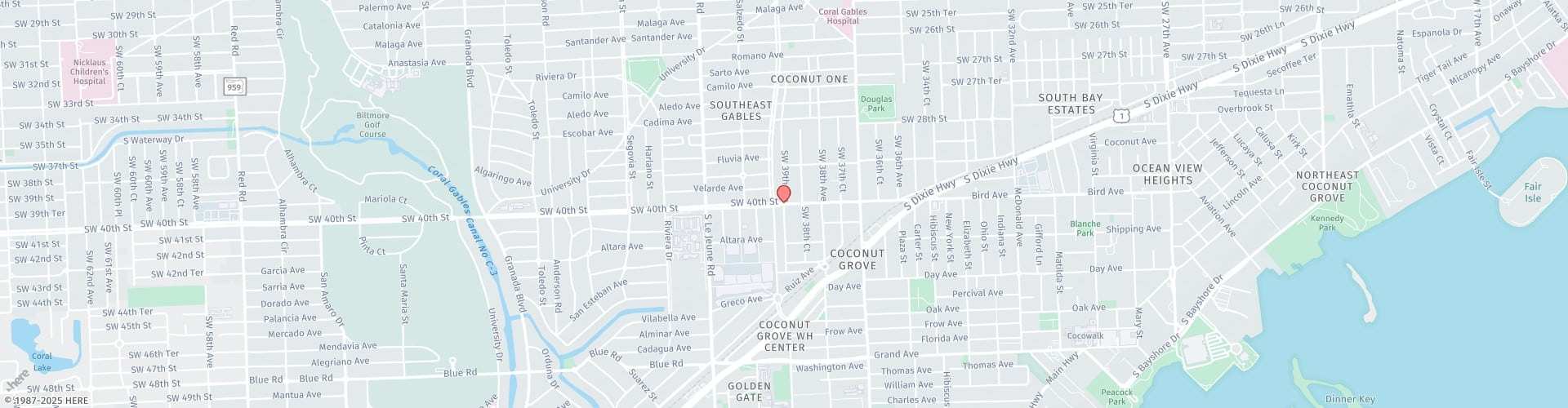
Body Rx serves Miami-Dade and South Florida residents through locations in Coral Gables and Kendall. Its care model is physician-led and personalized, with support for hormonal health and overall wellness. Readers who want to understand the team and its approach can also review the Body Rx medical team.
3. Appropriate treatment and ongoing monitoring
If treatment is medically appropriate, the next step is a customized health plan and a clear discussion of potential benefits, risks, follow-up, and expectations. Testosterone therapy should not be presented as risk-free or as a guaranteed way to resolve every symptom. Follow-up consultations and testing may help the clinician assess the plan and make adjustments when needed. This ongoing monitoring is part of physician-supervised care, not an optional add-on.
Educational information cannot determine whether TRT is right for you. A qualified healthcare professional should evaluate your individual circumstances before any treatment decision.
Questions to Ask Before Starting TRT
A thoughtful consultation should leave you with clear answers, not pressure to make an immediate decision. Before starting testosterone replacement therapy, consider asking the following questions and sharing a complete, accurate health history with your clinician.
Do I have a confirmed diagnosis?
- Could my symptoms have causes other than low testosterone, and what evaluation will help distinguish them?
- Were my testosterone levels measured with an appropriate test, and does a low result need confirmation with a repeat morning test?
- What do my other results show, and should additional testing help identify whether the issue is testicular or related to the pituitary or hypothalamus?
Symptoms such as fatigue, low motivation, changes in body composition, or reduced libido can have more than one explanation. The Endocrine Society recommends diagnosing hypogonadism only when compatible symptoms occur alongside consistently and unequivocally low testosterone concentrations, with further evaluation to determine the cause. Review the guideline recommendations with your clinician.
Is TRT appropriate for my health and family plans?
- How might treatment affect fertility, and should I postpone a decision if I am planning to have children soon?
- What medical conditions, medications, or personal risk factors could make testosterone therapy inappropriate or require additional precautions?
- What benefits are realistic for my situation, and what uncertainties or risks should I understand before providing consent?
Testosterone therapy is not risk-free, and not every man with age-related symptoms is a candidate. The Endocrine Society recommends against starting testosterone therapy in men planning fertility in the near term. Discuss fertility goals openly rather than assuming treatment is compatible with them.
How will treatment and follow-up be managed?
- Which delivery method fits my preferences, medical history, and health plan, and what are its practical requirements?
- What follow-up visits and blood work will be needed, and how will results guide adjustments?
- Which symptoms or side effects should I report promptly, and whom should I contact between visits?
A physician-supervised plan should include monitoring and opportunities to reassess whether treatment remains medically appropriate. Bring questions, medication details, fertility plans, and relevant records to a consultation. This article is educational and does not replace evaluation by a qualified healthcare professional.
Frequently Asked Questions
How is low testosterone confirmed before treatment?
A physician considers compatible symptoms alongside consistently low testosterone results. Testing generally uses accurate total and free testosterone assays, and a low morning result should be confirmed with a repeat morning fasting measurement. Additional evaluation may help identify the cause rather than assuming age-related symptoms are the explanation. Endocrine Society guidance supports this diagnostic approach.
Do symptoms of andropause mean I need TRT?
No. Fatigue, low energy, changes in muscle mass, low libido, mood changes, and weight gain can have multiple causes. Symptoms should prompt a clinical conversation, not a self-diagnosis. Treatment suitability depends on the medical history, appropriate laboratory testing, documented need, and physician review.
Can I start testosterone therapy if I want to have children soon?
Fertility plans should be discussed before treatment. The Endocrine Society recommends against starting testosterone therapy in men planning fertility in the near term. A qualified clinician can explain how that consideration affects evaluation and available options.
What happens after a TRT plan begins?
Physician-supervised care includes follow-up consultations and testing to assess the plan and determine whether adjustments are medically appropriate. Delivery method and dosage may be reconsidered based on follow-up information. Testosterone is identified as a Schedule III controlled substance, so prescribing and documentation must follow applicable requirements.
Where can Miami-area men discuss TRT safely?
Body Rx serves South Florida adults through locations in Coral Gables and Kendall. Its stated diagnostic-first pathway begins with a physician consultation and comprehensive blood work, followed by medical review, a personalized health plan, treatment only when appropriate, and ongoing monitoring. Educational information does not replace evaluation by a qualified healthcare professional.
Schedule a Physician Consultation
If you are concerned about symptoms associated with low testosterone, a physician consultation can help clarify whether testing and medically supervised evaluation are appropriate for your situation. Discuss your health history, symptoms, fertility goals, and questions with the Body Rx team. Call (305) 330-6900 to schedule a physician consultation in Coral Gables. This article is educational and does not replace an evaluation by a qualified healthcare professional.