
Changes in your cycle, sleep, temperature, mood, or energy can be difficult to interpret. This is especially true when they appear gradually or change from month to month. A written record can help you and a qualified clinician look for patterns. It can also help you and a qualified clinician avoid assuming that every symptom has the same cause.
A perimenopause symptoms checklist can help you track period timing, skipped cycles, hot flashes or night sweats, sleep disruption, mood changes, fatigue, vaginal discomfort, and libido changes. It is a tool for discussion, not a diagnosis. Symptoms may overlap with thyroid conditions, anemia, medication effects, stress, pregnancy, and other health concerns.
Consider professional evaluation when symptoms are persistent, disruptive, unclear, or concerning. BodyRx takes a diagnostic-first approach. It begins with consultation, comprehensive testing, and medical review before an individualized plan. Learn more about hormonal testing and symptom evaluation before discussing what your symptoms may mean.
Schedule a physician-led evaluation if your symptoms are affecting daily life or you are unsure what is causing them.
First, it helps to understand when this transition can begin and how clinicians distinguish it from menopause itself.
What Is Perimenopause and When Can It Begin?
Perimenopause is the stage of reproductive transition leading up to menopause. During this time, menstrual patterns and hormone activity can change, sometimes gradually and sometimes in ways that feel sudden. The transition commonly begins in the mid-to-late 40s, but timing varies. Some people notice changes in their 30s, while others do not notice them until their 50s. Age can provide context, but it cannot establish whether a person is in perimenopause.
For many people, the first noticeable clue is a change in the menstrual cycle. Periods may become less predictable, and the length between cycles may differ by seven days or more. As the transition progresses, some people may have occasional skipped periods or gaps of 60 days or longer. These patterns can be useful to record, but they are not a diagnosis by themselves. Stress, pregnancy, thyroid conditions, medication effects, and other health concerns can also affect bleeding patterns.
How long does perimenopause last?
There is no single timeline that applies to everyone. The transition can last about two to eight years, with a median duration of approximately four years in cited research. Symptoms may be mild at first or become noticeable quickly. Their intensity can change over time. Keeping a record of period dates, cycle length, sleep, temperature changes, mood. And the effect on daily activities can give a clinician a clearer picture than relying on one isolated symptom.
Menopause is defined retrospectively. It is reached after 12 consecutive months without a menstrual period, assuming there is no other explanation for the absence of bleeding. Until that milestone has occurred, pregnancy may still be possible, so contraception decisions should be discussed with a qualified healthcare professional when pregnancy is not desired. Bleeding that begins after 12 months without a period should be discussed with a healthcare professional. Do so promptly.
Why age alone is not enough
A clinician considers the full pattern, including menstrual history, symptoms, medical history, medications, and other possible causes. Current evidence indicates that menstrual history is generally more useful for staging the transition than hormonal markers alone. A clinician may still use testing in specific situations and interpret results in context. A menopause symptom tracker can help organize observations. It should support a conversation. It should not replace an individualized evaluation.
How to Use a Perimenopause Symptoms Checklist to Track Changes
Use this checklist to organize observations, not to diagnose yourself. Perimenopause symptoms can begin mildly or appear suddenly, and many concerns overlap with stress, thyroid conditions, anemia, medication effects, pregnancy, or other health issues. Record what you notice, when it began, how often it occurs, and how it affects daily life. Sharing that pattern with a qualified clinician can make an evaluation more focused.
| What to track | Helpful details to record |
|---|---|
| Menstrual cycle. | Period dates, cycle length, skipped periods, spotting, and unusual flow. |
| Temperature symptoms. | Hot flashes, night sweats, chills, timing, duration, and possible triggers. |
| Sleep and energy. | Night waking, insomnia, fatigue, concentration, and daytime impact. |
| Mood and cognition. | Irritability, anxiety, sadness, forgetfulness, and changes in functioning. |
| Sexual and urinary health. | Dryness, discomfort, libido changes, urgency, frequency, or leakage. |
Menstrual changes
- Note the first day of each period and the number of days of bleeding.
- Record whether your cycle is becoming shorter, longer, or less predictable.
- Track skipped periods, spotting, and unusually heavy or prolonged bleeding.
- Pay attention to a persistent difference of seven days or more between consecutive cycle lengths. A gap of 60 days or more between periods may occur later in the transition. It still belongs in your record.
Irregular periods may be an early sign of the menopause transition. Menstrual history is useful context for a clinician, but no single cycle pattern proves that symptoms are caused by perimenopause. The Menopause Society provides additional context.
Hot flashes and night sweats
- Describe sudden warmth, sweating, facial flushing, chills, or anxiety.
- Record the time of day, setting, possible triggers, and how long each episode lasts.
- Note whether night sweats wake you, require a change of clothing or bedding, or affect the next day.
Hot flashes may feel like sudden warmth throughout the body and can include sweating and a flushed face. Episodes commonly last one to five minutes, although the overall pattern varies. Cleveland Clinic describes these symptoms in more detail.
Sleep and energy
- Track difficulty falling asleep, waking during the night, or waking earlier than usual.
- Record night sweats and whether sleep disruption leaves you fatigued the next day.
- Note changes in concentration, stamina, or your ability to complete normal activities.
Night sweats and other symptoms may contribute to interrupted sleep or insomnia. A simple sleep log can help distinguish an occasional difficult night from a recurring pattern.
Mood and cognition
- Record irritability, anxiety, sadness, tearfulness, or a feeling of being unusually overwhelmed.
- Note forgetfulness, difficulty concentrating, or changes in mental clarity.
- Include relevant history, such as previous depression, anxiety, or hormone-related mood changes.
Mood changes deserve attention without being dismissed as a normal inconvenience. Seek prompt support for severe distress, thoughts of self-harm, or a rapid change in functioning.
Sexual and urinary symptoms
- Track vaginal dryness, burning, irritation, or discomfort during sex.
- Note changes in sexual desire and whether discomfort affects intimacy.
- Record urinary urgency, frequency, leakage, or pain and discuss these symptoms with a clinician.
Vaginal dryness and discomfort during sex can affect sexual desire. These concerns are common reasons to seek individualized medical guidance, but they can also have causes unrelated to perimenopause.
Physical changes
- Note headaches, breast tenderness, joint or muscle discomfort, or changes in how your body feels.
- Track changes in weight, appetite, or exercise tolerance without assuming a single cause.
- Record the severity of each symptom and whether it interferes with work, relationships, or routine activities.
Bring your completed notes, medication list, and relevant medical history to an appointment. A checklist gives a clinician a clearer timeline; it does not replace a medical assessment or establish a diagnosis.
Why Perimenopause Symptoms Can Be Hard to Interpret
Symptoms do not always arrive as a neat pattern. Some people notice cycle changes first, while others experience sleep disruption, hot flashes, fatigue, mood changes, or difficulty concentrating before their periods become noticeably irregular. Symptoms may be mild at first or become more apparent over time. They can also overlap with concerns such as thyroid conditions, anemia, medication effects, stress, pregnancy, or other health issues. For that reason, a perimenopause symptoms checklist can help you organize what you are experiencing, but it cannot confirm the cause.
Why your menstrual history matters
A clinician will usually ask about more than the date of your last period. The timing and pattern of cycle changes can provide important context. Include whether cycles are becoming shorter or longer, whether bleeding is heavier or lighter, and whether you have skipped periods. An academic review notes that menstrual history can help stage the menopause transition more reliably than hormonal markers alone in some situations. That does not mean bloodwork is useless. Results need to be interpreted alongside your history, symptoms, age, medications, and overall health rather than treated as a standalone answer.
What a contextual evaluation may include
A thoughtful evaluation considers how symptoms affect daily life and when they occur. A clinician may ask about sleep, mood, temperature-related symptoms, sexual or urinary concerns, current medications, prior health conditions, pregnancy possibility, and any history of hormone-related mood changes. Testing may be appropriate depending on the pattern and the questions being evaluated. Hormone testing can be particularly relevant when periods stop at an unusually early age, but the right tests are determined by the clinical context.
Keeping a record of cycle dates, bleeding changes, sleep, symptoms, and their impact can make the discussion more useful. Bring that record to a physician-led consultation, especially if symptoms are persistent, disruptive, or difficult to explain. The goal is not to force every concern into a perimenopause label. It is to distinguish a possible menopause transition from other explanations. Then you and your clinician can identify an appropriate next step.
When Should You See a Physician About Perimenopause Symptoms?
A symptom pattern can be useful to document, but it cannot confirm perimenopause on its own. Consider arranging a clinical evaluation when changes persist, interfere with daily life, feel difficult to interpret, or raise a concern that you do not want to manage alone. A physician can review your cycle history, symptoms, medications, health history, and any appropriate testing in context.
- Persistent or disruptive symptoms: Make an appointment if hot flashes, night sweats, fatigue, sleep disruption, mood changes, anxiety. Vaginal discomfort, or changes in sexual desire continue or affect work, relationships, exercise, or rest. These concerns may occur during perimenopause, but other health factors can overlap.
- Unclear changes or an unusually early shift: Seek guidance if your periods or other symptoms change in a way you cannot explain, especially if periods stop before age 40. Bring a record of cycle dates, bleeding patterns, sleep, mood, temperature symptoms, and their effect on daily life. This information helps the clinician decide what evaluation is appropriate.
- Concerning bleeding: Discuss bleeding that is unusually heavy, prolonged, frequent, or otherwise concerning to you. If bleeding starts after you have gone 12 consecutive months without a period, contact a healthcare professional promptly. Menopause is defined retrospectively after that 12-month interval, so bleeding afterward should not simply be assumed to be another perimenopause symptom.
- Pregnancy is not desired: Continue using contraception until one full year after your last period if you do not want to become pregnant. Perimenopause does not immediately eliminate the possibility of pregnancy, and a clinician can help you discuss appropriate options for your circumstances. See womenshealth.gov’s menopause guidance for this timing recommendation.
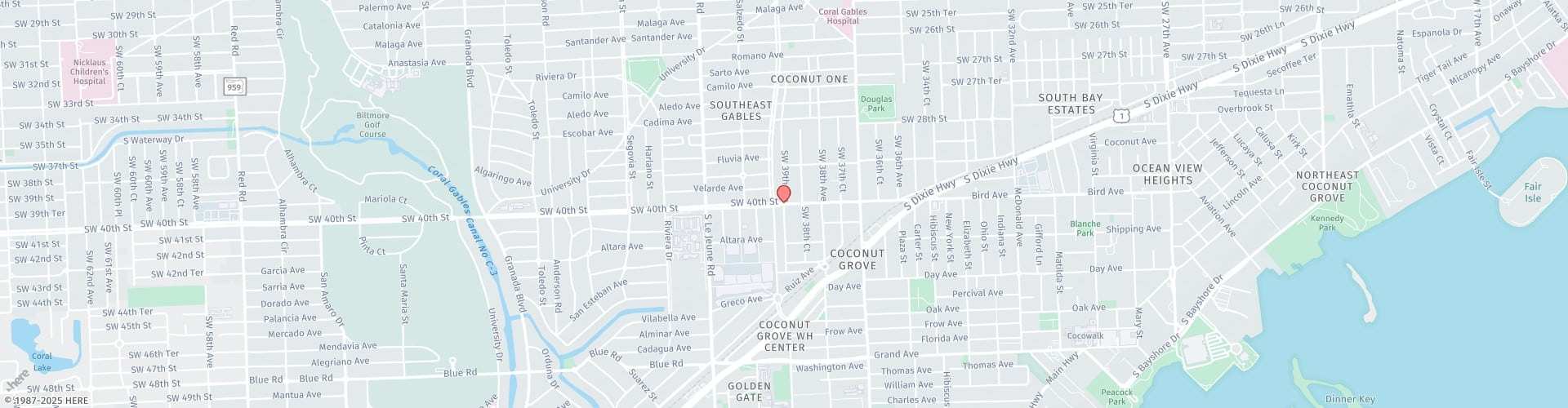
At BodyRx, a consultation can provide a structured next step rather than a diagnosis based on a checklist alone. The documented care model includes consultation, comprehensive diagnostic testing, physician review, an individualized plan, and follow-up monitoring. Learn more about hormonal testing and symptom evaluation if you are in Coral Gables, Kendall, or the surrounding South Florida area.
Ready to discuss persistent or confusing symptoms? Schedule a physician-led evaluation with BodyRx.
What a Diagnostic-First Hormone Evaluation Includes
A symptom checklist can help you organize what has changed, but it cannot determine whether perimenopause is the cause. Similar concerns may occur with thyroid conditions, anemia, medication effects, stress, pregnancy, or other health issues. A diagnostic-first evaluation gives a clinician the context needed to interpret your symptoms, cycle history, and test results together.
1. A detailed consultation
The process begins with a conversation about your concerns and goals. You may discuss changes in menstrual timing or flow, hot flashes or night sweats, sleep. Energy, mood, anxiety, libido, and any effect symptoms have on work, relationships, or daily activities. Bring a record of your cycles, symptoms, their timing, and anything that makes them better or worse. This history helps distinguish an isolated concern from a pattern that deserves further assessment.
2. Comprehensive diagnostic testing
When appropriate, the clinician may recommend comprehensive blood-panel testing. Testing is not a substitute for listening to your history, and no single result should be treated as a diagnosis on its own. The purpose is to gather relevant information and help identify factors that may be contributing to your symptoms. BodyRx describes its model as beginning with comprehensive diagnostic testing before medical intervention. You can learn more about its approach to hormonal testing and symptom evaluation.
3. Physician review and an individualized plan
A physician reviews the available information, considers your medical history, and discusses what the findings may mean. That review may lead to recommendations for monitoring, additional evaluation, lifestyle support, or treatment options. It does not mean that every person with a perimenopause symptoms checklist is a candidate for hormone therapy. Any treatment discussion should account for your health history, preferences, risks, and the specific product or approach being considered. BodyRx provides information about physician-supervised hormone care without replacing an individualized medical consultation.
4. Follow-up monitoring
Symptoms and cycles can change over time, so follow-up matters. Monitoring gives you and your physician an opportunity to review how you are doing, reassess concerns, and adjust the plan when clinically appropriate. It also creates a safer way to address new or persistent symptoms instead of relying on self-diagnosis or a one-time test.
If symptoms are persistent, disruptive, or unclear, schedule a consultation with the BodyRx medical team to discuss an appropriate evaluation.
Frequently Asked Questions
What are common emotional symptoms of perimenopause?
Mood changes, irritability, anxiety, and difficulty concentrating can occur during the transition. A history of premenstrual syndrome, postpartum depression, depression, or anxiety may increase the likelihood of mood symptoms. But emotional changes still deserve individual evaluation rather than being attributed automatically to hormones. Mayo Clinic notes these mood-related associations.
Does perimenopause affect sleep?
Yes. Night sweats, hot flashes, anxiety, and other symptoms may interrupt sleep or contribute to insomnia. Track when sleep problems occur, how often you wake, and whether daytime fatigue affects work, driving, exercise, or relationships. Persistent sleep disruption is a practical reason to discuss the full pattern with a healthcare professional. Cleveland Clinic describes sleep disruption during perimenopause.
What do hot flashes feel like during perimenopause?
A hot flash may feel like sudden warmth through the body, sometimes with sweating, facial flushing, chills, or anxiety. Record the time, duration, possible triggers, and whether episodes happen at night. Individual episodes commonly last one to five minutes, according to The Menopause Society, but their frequency and effect on daily life can vary. The Menopause Society provides symptom details.
Can perimenopause affect my sex life?
Vaginal dryness or discomfort during sex may affect comfort, desire, or intimacy. You do not need to dismiss these changes as something you must simply tolerate. Mention them during a medical visit so a clinician can review possible causes and discuss appropriate options in the context of your health.
Can I stop using contraception during perimenopause?
Pregnancy can still occur during perimenopause. If you do not want to become pregnant, continue contraception until one full year after your last period, and discuss the safest approach with your healthcare professional. The Office on Women’s Health explains this guidance.
Schedule a Consultation for Perimenopause Symptoms
If persistent or disruptive symptoms are affecting sleep, daily routines, or quality of life, a personalized medical review can help place your patterns and history in context. BodyRx can discuss your concerns, consider appropriate evaluation, and explain potential next steps without assuming that every symptom has the same cause. To schedule a consultation about perimenopause symptoms, call BodyRx at (786) 866-7766.