
Changes in estrogen can affect more than menstrual timing. Some women notice hot flashes, disrupted sleep, vaginal dryness, mood shifts, or difficulty concentrating, while others experience only a few changes or none at all. Because these symptoms overlap with normal hormonal transitions and other health conditions, noticing a pattern is a reason to ask questions, not proof of a hormone deficiency.
Call BodyRx at (305) 330-6900 to discuss your symptoms and possible next steps.
Possible low estrogen symptoms in women include irregular periods, hot flashes, night sweats, sleep problems, mood changes, vaginal dryness, and brain fog. These symptoms vary widely and cannot diagnose low estrogen on their own. A clinician may consider your symptoms, menstrual history, health background, and appropriate testing together.
Understanding how symptoms may feel can help you describe what is changing, when it started, and how it affects daily life. That context provides a more useful starting point for understanding the range of experiences associated with estrogen changes.
What Do Low Estrogen Symptoms in Women Feel Like?
Low estrogen symptoms in women can feel different from person to person. During the menopause transition, possible changes include irregular periods, hot flashes, night sweats, vaginal dryness, sleep problems, mood changes, and difficulty finding words or remembering. Some women notice one dominant concern, while others experience several changes at once. The National Institute on Aging overview of menopause emphasizes that symptoms vary among individuals.
Common symptom patterns
- Menstrual changes: Periods may become less predictable, lighter, heavier, or more widely spaced.
- Temperature and sleep changes: Hot flashes and night sweats may interrupt comfort or rest.
- Genital and urinary changes: Vaginal dryness or discomfort may occur and can affect intimacy.
- Mood and concentration changes: Some women report mood shifts, sleep-related fatigue, or brain fog.
These patterns can be useful to document, especially when you track perimenopause symptoms over time. However, symptoms alone do not diagnose low estrogen. Similar concerns can have other hormonal, medical, medication-related, or lifestyle-related explanations. A clinician may need to consider your age, menstrual history, overall health, and the timing and pattern of symptoms before deciding whether evaluation or testing is appropriate. This diagnostic-first approach helps distinguish a possible hormone-related pattern from a confirmed diagnosis.
Why Estrogen Changes During Perimenopause and Menopause
Perimenopause is the months or years leading up to menopause, also called the menopausal transition. During this stage, the ovaries gradually change how much estrogen and progesterone they produce. The change is not always steady. Hormone levels can rise and fall, which helps explain why menstrual patterns and symptoms may vary from one month to the next. National Institute on Aging describes the transition as a transition rather than a single moment when hormone levels suddenly become low.
Most women begin the transition between ages 45 and 55, although timing differs. The process may last several years, and symptoms can change in frequency or intensity over time. A person may notice cycle changes before other concerns, while someone else may experience hot flashes, sleep disruption, or vaginal symptoms first. This variation means that a list of low estrogen symptoms in women can raise useful questions, but it cannot by itself identify the cause of a symptom.
Menopause is defined retrospectively. You have reached menopause after 12 consecutive months without menstrual bleeding or spotting. The National Institute on Aging explains that estrogen and progesterone production declines greatly during the menopausal transition. But the calendar milestone is based on the absence of a period, not on one symptom or a single hormone result: read the NIA explanation of menopause.
Pregnancy is still possible during perimenopause because ovulation may continue even when periods become irregular. Do not assume that a skipped period confirms menopause. A clinician can consider menstrual history, symptoms, age, medications, reproductive goals, and other possible explanations when deciding whether evaluation or pregnancy testing is appropriate.
Physical Signs That May Point to Lower Estrogen
Some physical changes can raise questions about estrogen levels, especially during perimenopause or menopause. A pattern may be useful to discuss with a clinician, but no single symptom proves that low estrogen is the cause. Other hormonal, medical, medication-related, and life-stage factors can produce similar changes.
Changes in periods and temperature regulation
Menstrual changes are often among the earlier physical clues that the menopausal transition may be underway. Periods may become less predictable, lighter or heavier, or may skip a month before returning. Hot flashes and night sweats can also occur, sometimes appearing as sudden warmth, sweating, or disrupted sleep. The National Institute on Aging explains that the transition often begins with changes in menstrual-cycle patterns and may include hot flashes.
Vaginal and urinary changes
Lower estrogen may be associated with vaginal dryness, irritation, or discomfort during sexual activity. Some women also notice urinary urgency, frequency, or recurring discomfort. These symptoms deserve attention rather than dismissal, particularly when they interfere with daily life or intimacy. They can have causes other than estrogen changes, so a careful history and appropriate evaluation matter.
Skin and bone context
Dryer or less resilient skin is another change sometimes discussed with lower estrogen. Estrogen levels also decline substantially during the menopausal transition, along with progesterone, according to the National Institute on Aging. That hormonal shift makes bone health an important topic for preventive care, but a symptom such as dry skin or a change in periods cannot diagnose bone loss. Bone density and fracture risk require their own clinical assessment.
The Cleveland Clinic lists menstrual changes, hot flashes, vaginal dryness, urinary symptoms, and dry skin among possible signs associated with low estrogen. Because symptoms vary from person to person, record when changes began, how often they occur, and whether they affect sleep, comfort, or activities. Bring that history to a clinician rather than trying to identify the cause from symptoms alone.
Have questions about changing symptoms? Call BodyRx at (305) 330-6900 for a diagnostic discussion.
Mood, Sleep, Cognition, and Other Changes
Some women notice changes that are less visible than hot flashes. Sleep may become lighter or more interrupted, while mood may feel less predictable. Trouble finding words, remembering details, or staying focused is often described as brain fog. These experiences can occur during the menopause transition, when hormone patterns change, but they do not prove that estrogen is the cause. The National Institute on Aging overview of menopause includes sleep problems, mood changes, and memory or word-finding difficulty among possible symptoms.
Other concerns may overlap with this pattern, including lower libido, fatigue, headaches, and joint discomfort. A cluster can be useful to discuss with a clinician, especially when symptoms are new, persistent, or affecting work, relationships, or daily routines. However, stress, inadequate sleep, medication effects, thyroid conditions, nutritional issues, and other health factors can produce similar changes. A symptom journal can help you track perimenopause symptoms, including timing, menstrual changes, sleep quality, and factors that make symptoms better or worse.
It can also help to separate concerns rather than assuming they share one explanation. For example, changes in weight or appetite may prompt questions about hormones and body composition, while sleep disruption may deserve attention in its own right. If these symptoms are interfering with daily life, a clinician can review the full pattern and decide whether further evaluation is appropriate. For context on menopause symptom management, treatment discussions should follow individualized assessment rather than self-diagnosis.
Can Symptoms Alone Confirm Low Estrogen?
Symptoms can raise a reasonable question, but they cannot confirm low estrogen on their own. Hot flashes, sleep disruption, vaginal dryness, mood changes, or irregular periods may occur during the menopausal transition, yet the pattern differs from person to person. A clinician needs to consider the timing of symptoms, menstrual history, medical history, and other possible explanations rather than treating one symptom as proof. For background on how menopause is evaluated, see the National Institute on Aging menopause overview.
Why one hormone result may not settle the question
Perimenopause is a moving target. Ovarian hormone production changes over time, and hormone levels can rise and fall during the transition. Blood tests for follicle-stimulating hormone, or FSH, and estradiol may be considered in some situations. But a single result can be difficult to interpret without the surrounding clinical context. A result that appears consistent with lower estrogen at one point does not necessarily describe the entire transition or explain every symptom.
Other conditions can look similar
Thyroid conditions can cause symptoms that resemble menopause. An overactive thyroid, called hyperthyroidism, may cause menopause-like symptoms. This is one reason a thoughtful evaluation may include consideration of thyroid function and other relevant factors, rather than focusing only on estrogen.
Home urine FSH tests also have important limits. FSH rises and falls during the menstrual cycle, so a home result cannot reliably establish whether someone has reached menopause. Use these products, if at all, as a prompt for questions, not as a diagnosis. Physician-led review of symptoms and appropriately interpreted testing provides a more responsible basis for next steps.
What a Comprehensive Hormone Evaluation Looks Like at BodyRx
A thoughtful evaluation begins with questions, not assumptions. At BodyRx, the stated process is physician-led and diagnostic-first: a consultation, comprehensive diagnostic testing, medical expert review, and an individualized plan. This sequence helps place symptoms, health history, and laboratory findings in context before any treatment discussion. It does not guarantee a diagnosis or a particular outcome.
The evaluation can be useful when changes such as cycle disruption, sleep concerns, or vaginal symptoms raise questions about hormone levels, but those symptoms may have several possible explanations. A clinician can determine which details deserve closer review and whether additional assessment is appropriate.
Stages of a BodyRx hormone evaluation
Consultation
What it explores: Symptoms, menstrual or menopause history, health context, and the concerns that prompted the visit.
How it informs next steps: Helps identify relevant questions and whether diagnostic testing is appropriate.
Comprehensive testing
What it explores: The BodyRx knowledge base lists estrogen, progesterone, thyroid hormones, and cortisol in a complete hormonal panel.
How it informs next steps: Provides laboratory information for review rather than relying on symptoms or a home test alone.
Expert review
What it explores: Results considered alongside the consultation and individual health history.
How it informs next steps: Supports a more informed discussion of what the findings may, or may not, explain.
Individualized plan
What it explores: Care considerations based on the clinical assessment and test review.
How it informs next steps: Clarifies appropriate next steps without assuming that every patient needs the same approach.
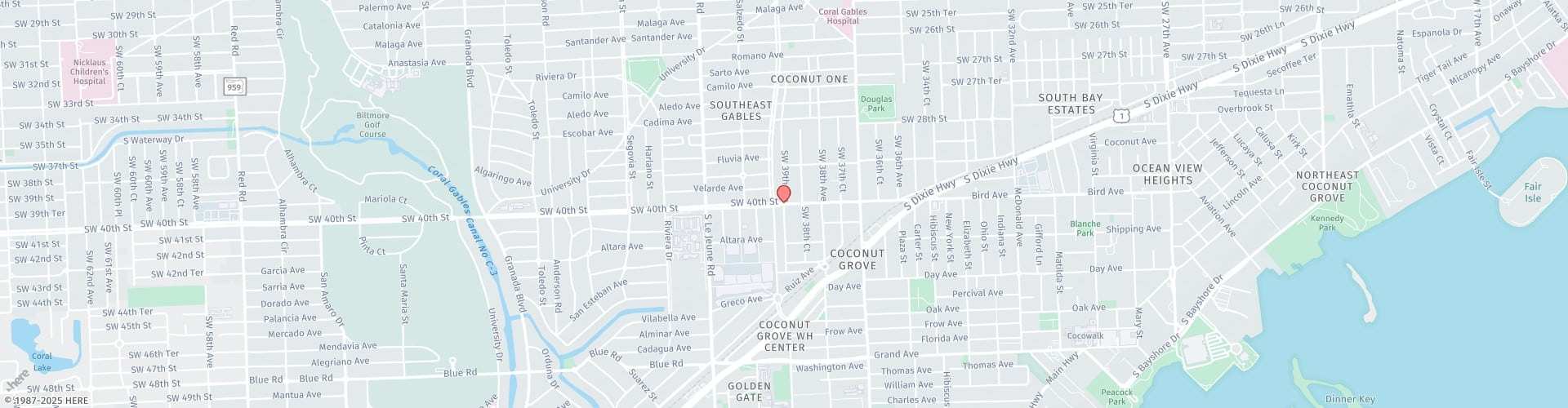
BodyRx states that a complete hormonal blood panel is required before treatment initiation. That safeguard matters because a laboratory result is not interpreted in isolation, and treatment should not be assumed before clinical review. You can read more about BodyRx diagnostic testing and visit the women’s hormone therapy guide for broader educational context. BodyRx serves patients through its physician-led locations in Coral Gables and Kendall.
Call BodyRx at (305) 330-6900 to discuss a physician-led evaluation.
Frequently Asked Questions
Can low estrogen symptoms occur before menopause?
Yes. Symptoms can occur during perimenopause, the months or years leading up to menopause, when ovarian hormone production and levels can fluctuate. Irregular periods, hot flashes, sleep changes, vaginal dryness, mood changes, or brain fog may occur, but the pattern differs from person to person. Pregnancy is still possible during perimenopause, so a missed period should not automatically be attributed to hormone changes. National Institute on Aging explains the transition.
Can symptoms alone confirm low estrogen?
No. Similar symptoms can have several possible causes, and symptoms do not establish a diagnosis by themselves. A clinician may consider your menstrual history, symptom pattern, health history, and appropriate testing together. During perimenopause, hormone levels rise and fall, so a single FSH or estradiol result may be difficult to interpret in context. Thyroid conditions can also cause menopause-like symptoms.
Are home hormone tests reliable for identifying menopause?
Home urine FSH tests cannot reliably establish whether someone has reached menopause because FSH changes during the menstrual cycle. Menopause is generally identified after 12 consecutive months without menstrual bleeding or spotting, while the broader evaluation may depend on your age, history, symptoms, and clinical circumstances. Discuss confusing or changing results with a qualified healthcare professional rather than relying on one home reading. National Institute on Aging explains menopause timing.
When should I seek an evaluation?
Consider an evaluation when symptoms are persistent, disruptive, changing, or difficult to explain, especially if they affect sleep, daily activities, or comfort. Seek prompt medical attention for vaginal bleeding after menopause. A physician-led review can help distinguish possible hormone-related changes from other causes and determine whether diagnostic testing is appropriate.
Schedule a Thoughtful Next Step
If low estrogen symptoms are affecting your comfort, sleep, or daily routine, a clinician-led discussion can help place the pattern in context and identify whether further evaluation is appropriate. BodyRx can review your concerns and discuss possible diagnostic next steps without assuming that symptoms alone establish a diagnosis. To book a consultation or diagnostic discussion, call BodyRx at (305) 330-6900.