
Hormonal changes can affect sleep, energy, mood, temperature regulation, and vaginal comfort long before a woman knows whether she has reached menopause. For women in Miami, the right next step is not to match symptoms to a fixed protocol. It is to understand the transition, review personal health history, and determine whether medical evaluation is appropriate.
Schedule a women’s hormone evaluation with Body Rx at (305) 330-6900.
For women considering hormone replacement therapy for women miami, care should begin with a physician-led assessment, appropriate testing, and a discussion of potential benefits, risks, and treatment options. Hormone therapy may help certain menopause-related symptoms, but candidacy and the best approach depend on age, symptoms, medical history, route, dose, and whether a progestogen is needed. Body Rx uses a consultation, comprehensive testing, physician review, and ongoing monitoring rather than a one-size-fits-all plan.
Before discussing treatment choices, it helps to understand what is happening during perimenopause and menopause. And why the timing and pattern of changes can vary from one woman to another.
What Changes During Perimenopause and Menopause?
Perimenopause is the transition leading up to menopause. During this stage, ovarian hormone patterns can shift and menstrual cycles may become less predictable. Menopause is the point at which menstrual periods have stopped permanently. It is a natural process commonly occurring between ages 45 and 55, although the timing varies from person to person. The transition is not a single schedule that every woman follows. Some women notice changes gradually, while others experience more disruptive symptoms over a shorter period.
Perimenopause is a transition, not a single hormone result
During perimenopause, symptoms and cycle changes can come and go. A woman may notice hot flashes, mood changes, lower energy, sleep disruption, or changes in body composition, but the pattern is not necessarily consistent from month to month. These concerns are part of the experience reported by many women who seek information about hormone care, including women in their 40s and 50s in the Miami area. Still, symptoms alone do not establish that a hormone change is the cause. Stress, sleep disorders, medication effects, thyroid conditions, nutritional concerns, and other health issues can overlap with this stage.
That variability is one reason a thoughtful evaluation matters. A clinician may consider menstrual history, symptoms, overall health, medications, family history, and appropriate testing rather than applying a fixed protocol. At Body Rx, the stated approach is diagnostic-first: consultation and comprehensive testing are followed by physician review, a personalized plan when medically appropriate, and ongoing monitoring. This process is intended to clarify the situation before discussing options, not to assume that every symptom requires hormone treatment.
Menopause marks a different stage
Menopause is diagnosed retrospectively after a woman has gone without a menstrual period for 12 consecutive months, when there is no other explanation for the absence of periods. After menopause, the body produces less estrogen than it did during the reproductive years. Some symptoms may continue, change, or begin later, while others may improve. Hot flashes and vaginal discomfort are among the common concerns associated with menopause, but experiences remain individual. Not every symptom is hormonal, and not every woman needs the same type of care.
When earlier timing deserves medical evaluation
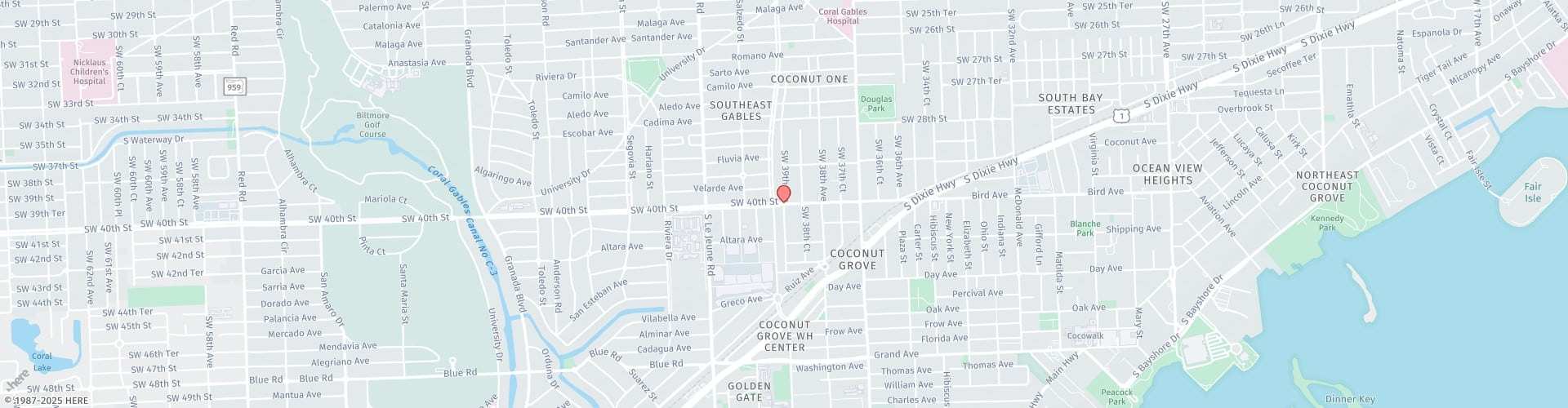
Menopause before age 40 is considered premature menopause and warrants clinical evaluation. Earlier loss of menstrual function can have different causes, so it should not be self-diagnosed from a single missed period or a collection of symptoms. A healthcare professional can review the timing, investigate possible explanations, and discuss whether additional care is appropriate. Women in Coral Gables, Kendall, and surrounding South Florida communities can bring questions about cycle changes, sleep, mood, energy, and hot flashes to a physician-led consultation. The goal is a clear assessment and a medically supervised plan that fits the individual, rather than a promise that one treatment will address every concern.
Which Symptoms May Signal a Need for Hormone Evaluation?
Hormonal changes can affect more than the menstrual cycle. Some women notice a cluster of changes during perimenopause or menopause, while others experience one symptom that becomes difficult to ignore. Symptoms may also fluctuate, appear gradually, or overlap with concerns unrelated to reproductive hormones. For that reason, a symptom can be a reason to seek an evaluation, but it cannot establish a diagnosis or determine whether hormone therapy is appropriate.
Common concerns that may deserve a conversation with a qualified healthcare professional include:
- Hot flashes or sudden waves of heat, including episodes that interrupt daily activities.
- Night sweats or sleep disruption, followed by daytime fatigue or difficulty concentrating.
- Mood changes, irritability, anxiety, or a sense that emotional responses feel different than usual.
- Vaginal dryness, discomfort with intercourse, or urinary symptoms.
- Low energy that persists despite reasonable attention to sleep, nutrition, and activity.
- Changes in weight or body composition that do not have an obvious explanation.
Hot flashes are often described as vasomotor symptoms. The North American Menopause Society identifies hormone therapy as the most effective treatment for vasomotor symptoms when treatment is clinically appropriate. The same position statement recognizes hormone therapy as an effective treatment for genitourinary syndrome of menopause, which can include vaginal and urinary concerns. These findings do not mean every woman with hot flashes or vaginal discomfort should receive hormones. They support a careful discussion about symptoms, medical history, risks, and alternatives. Read the North American Menopause Society position statement.
Sleep problems, low energy, mood changes, and weight changes require particular care because they can have many possible causes. Thyroid conditions, anemia, medication effects, stress, sleep disorders, nutritional factors, depression, and other health concerns may produce similar experiences. A clinician may consider the timing and pattern of symptoms, menstrual or menopause history, existing conditions, medications, family history, and appropriate testing before discussing treatment. Lab results are one part of that picture rather than a substitute for clinical judgment.
Vaginal discomfort also deserves attention rather than being dismissed as something a woman simply has to tolerate. It may relate to lower estrogen levels during the menopause transition. But an evaluation can help distinguish hormonal changes from infection, dermatologic conditions, pelvic floor concerns, or other causes. The type of care, if any, depends on the findings and the person’s goals.
For Miami-area women, the most useful next step is a diagnostic-first consultation, not self-diagnosis based on an online symptom list. Body Rx describes a process that includes consultation, comprehensive testing, physician review, a personalized plan when medically necessary, and ongoing monitoring. That approach helps place symptoms in context. It allows a clinician to determine whether hormone replacement therapy for women in Miami is relevant, or whether another evaluation makes more sense.
What Does Hormone Replacement Therapy for Women in Miami Involve?
Talk with Body Rx about your symptoms and next steps: (305) 330-6900.
Menopause hormone therapy uses prescribed hormones to replace some of the estrogen the body stops making after menopause. The goal is not to follow a universal protocol. Instead, a clinician considers symptoms, reproductive and medical history, examination findings, test results, and individual risk factors before discussing whether treatment is appropriate. For women researching hormone replacement therapy in the Miami area, that distinction matters: the route, dose, combination, and follow-up plan are clinical decisions, not choices to make from an online symptom checklist.
Systemic therapy reaches the body more broadly
Systemic estrogen is absorbed throughout the body and may be considered when symptoms affect more than one area. It is commonly discussed for vasomotor symptoms such as hot flashes and night sweats, which can affect daily comfort and sleep. According to peer-reviewed menopause guidance, systemic estrogen can be delivered in several forms, including a pill, skin patch, ring, gel, cream, or spray.
The delivery form can influence how a medication is absorbed and how a person uses it, but there is no single form that is best for every woman. Body Rx materials describe options such as pills, patches, creams, and injections, while emphasizing that the appropriate method depends on medical evaluation. A clinician may also consider practical issues, such as whether a patient can use a product consistently, along with health history and treatment goals. Selecting a route based only on convenience, a friend’s experience, or an advertisement can overlook important safety considerations.
Local therapy focuses on vaginal or urinary symptoms
When symptoms are primarily vaginal or urinary, low-dose vaginal estrogen may be discussed as a more localized approach. It is available as a cream, tablet, or ring and usually results in less estrogen being absorbed than systemic therapy. The right option still depends on a person’s history and clinical circumstances. Local treatment should not be assumed to be interchangeable with systemic treatment, and persistent discomfort, bleeding, or urinary concerns deserve professional assessment rather than self-treatment.
Why the plan must be individualized
Hormone therapy can involve estrogen alone or estrogen with another hormone, depending in part on whether a patient has a uterus and other medical factors. For example, people with a uterus may need a progestogen with estrogen to help reduce the risk associated with thickening of the uterine lining. That is one reason a patient should not borrow a dose, combine products, or change a prescription without speaking with the treating clinician.
A diagnostic-first plan typically includes consultation, comprehensive testing when indicated, physician review, discussion of benefits and risks, and follow-up monitoring. Risks can vary with the type of therapy, route, dose, duration, age, and personal health risks. In Coral Gables, Kendall, and throughout South Florida, an evaluation can clarify which options, if any, fit a woman’s health profile. The purpose is a supervised plan that can be reviewed over time, not a fixed treatment selected before the evaluation.
What Is BHRT, and How Is a Protocol Chosen?
BHRT stands for bioidentical hormone replacement therapy. The term generally refers to hormone products designed to have a molecular structure identical or similar to hormones made by the human body. It describes a type of formulation or treatment approach, not a guarantee about safety, effectiveness, or suitability. Bioidentical does not automatically mean safer, more effective, or FDA-approved as a category. The status, risks, benefits, and appropriate use of any specific product depend on the product itself and the clinical circumstances.
That distinction matters when women in Miami search for hormone therapy for women. A responsible BHRT discussion should begin with health history, symptoms, current medications, relevant medical concerns, and an appropriate evaluation. Symptoms such as sleep disruption, low energy, mood changes, hot flashes, or changes in body composition can have multiple possible causes. They do not establish a diagnosis or prove that hormone therapy is the right next step.
Why there is no single BHRT protocol
Hormone needs and treatment considerations vary from person to person. A plan may depend on a woman’s stage of hormonal transition, reproductive and surgical history, overall health, risk factors, laboratory findings, and goals for care. It may also involve decisions about which hormones are clinically appropriate, the delivery method, the dose, and the timing of follow-up. Pills, patches, creams, and injections are among the delivery methods described by Body Rx, but the appropriate method depends on medical evaluation. A method should not be selected simply because it is popular online or because it was used successfully by someone else.
Testing is one part of this process, not a substitute for clinical judgment. Body Rx describes its hormone replacement care as personalized and medically supervised, with plans based on comprehensive blood panel testing. Laboratory results need to be considered alongside the consultation and the full health picture. A number on a report, by itself, does not determine candidacy, establish a diagnosis, or dictate a prescription.
What the diagnostic-first process includes
Body Rx’s documented process is designed to establish a clinical foundation before treatment is considered:
- Consultation: A physician-led conversation reviews concerns, health history, symptoms, medications, and relevant goals.
- Comprehensive testing: Blood panel testing provides additional information for the evaluation when clinically appropriate.
- Physician review: The results are considered with the consultation findings rather than interpreted in isolation.
- Custom health plan: If care is appropriate, the plan is individualized to the patient’s documented needs and medical context.
- Documented medical necessity: Treatment is considered only after the medical evaluation supports it.
- Ongoing monitoring: Follow-up helps the physician reassess response, safety considerations, and whether the plan should be adjusted.
This approach keeps BHRT from becoming a fixed protocol or a product-first decision. It also gives patients an opportunity to ask how a proposed option fits their history, what alternatives exist, what follow-up may involve, and which changes should be reported. For women considering hormone replacement therapy, a consultation and careful review are more useful starting points than trying to match symptoms to a protocol found online.
Do Women Need Estrogen, Progesterone, or Other Hormones?
There is no single hormone combination that every woman needs. Hormone therapy discussions often focus on estrogen and progesterone, but the right clinical plan depends on symptoms, menstrual and reproductive history, medical history, examination, and appropriate testing. For women researching hormone replacement therapy for women in Miami, the goal of an evaluation is not to match a symptom to a preselected hormone. It is to understand the full picture before deciding whether treatment is appropriate.
What estrogen does in hormone therapy discussions
Estrogen is the hormone most directly associated with menopause hormone therapy. After menopause, the body produces less estrogen. Depending on the individual evaluation, replacing estrogen may be considered for symptoms such as hot flashes or vaginal discomfort. The route also matters. Systemic estrogen is absorbed throughout the body and may be delivered in forms such as a pill, patch, ring, gel, cream, or spray. Low-dose vaginal estrogen is generally used for vaginal or urinary symptoms and usually results in less estrogen being absorbed by the body than systemic therapy.
These options are not interchangeable. And a person should not choose a dose or delivery method based only on what worked for a friend or what appears in an online article. A clinician considers the reason for treatment, other health factors, current medications, and whether local or systemic therapy is being discussed. The North American Menopause Society emphasizes individualized treatment using the best available evidence, rather than a universal protocol: review the position statement.
Why the uterus affects clinical planning
If a woman still has a uterus, estrogen planning requires particular attention to the uterine lining, also called the endometrium. Estrogen without a progestogen can thicken that lining and increase the risk of endometrial cancer. For this reason, people with a uterus may need a progestogen with estrogen to help reduce that risk. The specific approach is determined by a healthcare professional after considering the person’s history and treatment goals. Having had a hysterectomy, or having a different uterine history, can change the discussion, but it does not make self-selection appropriate.
Progesterone and progestogens are related terms, but patients may hear both used in clinical conversations. The important practical point is that uterine protection is a central part of planning when estrogen is being considered and the uterus is present. Unexpected bleeding, past uterine conditions, or a history of procedures should be discussed openly during an evaluation rather than managed by changing hormones independently. The peer-reviewed hormone therapy guidance explains this principle and the factors that can affect risk.
What about other hormones?
Other hormones may be evaluated in some patients, but their inclusion is not automatic. Testing can contribute useful information, yet laboratory results must be interpreted alongside symptoms, age, health history, medications, and physical findings. A comprehensive blood panel may be part of Body Rx’s diagnostic-first process, which also includes consultation, physician review, a custom health plan when medically necessary, and ongoing monitoring. That process is designed to avoid treating a number in isolation.
Before a consultation, consider asking:
- Do my symptoms and health history warrant a hormone evaluation, or could another issue explain them?
- Do I still have a uterus, and how does that affect any discussion of estrogen and progestogen?
- Would the goal involve systemic therapy, local therapy, or neither?
- What testing is appropriate, and how will the results be interpreted?
- What follow-up would be needed if a treatment plan is recommended?
These questions can help make a Miami-area consultation more productive without assuming in advance which hormones, if any, are right for you.
What Are the Benefits and Risks of HRT?
Hormone replacement therapy can be an appropriate topic for discussion when menopause-related symptoms or health considerations are affecting a woman’s quality of life. It is not a universal treatment, and symptoms alone do not establish whether therapy is suitable. A clinician must consider the full medical picture, including health history, current medications, reproductive history, and the goals of care.
Potential benefits depend on the therapy selected and the reason it is being considered. Menopause hormone therapy is commonly used for vasomotor symptoms such as hot flashes, and it may also be used for certain vaginal or urinary symptoms. The North American Menopause Society identifies hormone therapy as an effective treatment for these concerns. It also recommends individualized treatment based on the best available evidence. Clinical guidance on menopause hormone therapy supports weighing expected benefits against a person’s specific risks rather than applying one fixed protocol.
Hormone therapy has also been shown to prevent bone loss and reduce fractures after menopause. That does not mean it should be started solely for prevention in every patient. The potential value of this or any other benefit must be considered alongside age, timing, health history, and other available approaches. A consultation should clarify what the treatment is intended to address and how success or continued need will be reviewed.
| Potential reasons to discuss. | Important considerations. |
|---|---|
| Hot flashes or other vasomotor symptoms that are disruptive. | Symptoms may have more than one possible cause, so evaluation is needed before attributing them to menopause. |
| Vaginal or urinary symptoms associated with menopause | Local and systemic options differ in delivery and absorption, and the appropriate approach depends on clinical findings. |
| Concern about bone loss after menopause | Potential bone benefits must be balanced with personal risk factors and the patient’s overall treatment goals. |
| A plan for ongoing symptom and health review | Therapy should be tailored to the individual and reviewed regularly with a healthcare professional. |
Why the risks cannot be separated from the treatment plan
Risk is not determined by the word HRT alone. It can vary according to the type of hormone, route of administration, dose, duration, timing of initiation, age, personal health risks, and whether a progestogen is used. Route may refer to how a medication is delivered, such as by mouth or through the skin. Duration and follow-up matter as well, because a plan should be reassessed as a woman’s health and treatment goals change.
For some patients, potential risks may include heart disease, stroke, blood clots, breast cancer, gallbladder disease, or endometrial cancer. These possibilities do not predict an individual outcome, but they do make a careful history and clinician-led review essential. A person with a uterus may need a progestogen with estrogen to help reduce endometrial cancer risk. Estrogen without a progestogen can thicken the uterine lining and increase that risk. The right combination, dose, and route cannot be selected safely from an online symptom checklist.
Shared decisions and regular review
For women researching hormone replacement therapy for women miami, the most useful next step is a personalized medical evaluation, not a comparison of fixed protocols. Body Rx describes a diagnostic-first process that includes consultation, comprehensive testing, physician review, a custom health plan when medically appropriate, and ongoing monitoring. This approach allows the clinician to consider the patient’s health history, goals, testing, and response over time. Treatment can then be adjusted, continued, or reconsidered as the clinical picture develops.
In Coral Gables, Kendall, and throughout South Florida, ask what the proposed therapy is intended to address. Which risks apply to your history, how follow-up will occur, and when the plan will be reviewed. Those questions support an informed conversation without assuming that a particular hormone or delivery method is right for every woman.
What to Expect From Hormone Replacement Therapy for Women in Miami
A consultation should feel like a medical conversation, not a preset protocol. At Body Rx, the process is designed to understand your concerns, review relevant health information, and determine whether hormone care is appropriate based on your individual evaluation. Women may arrive with questions about hot flashes, sleep disruption, mood changes, energy, or body composition, but symptoms alone do not establish a diagnosis or determine candidacy.
1. A detailed discussion of symptoms and health history
Your visit begins with a discussion of what has changed, when symptoms began, and how they affect daily life. Be prepared to discuss menstrual and reproductive history, prior surgeries, current medications and supplements, existing conditions, allergies, family history, and any previous hormone treatment. Bring recent medical records when available. A complete history helps the physician consider other possible explanations for symptoms and identify questions that may require additional evaluation.
It can also help to keep notes before your visit. Record sleep patterns, hot flashes, cycle changes, mood concerns, energy levels, and other changes that matter to you. If body composition or weight changes are part of your concern, describe the pattern without assuming that hormones are the cause. You can learn more about hormones and body composition while keeping the consultation focused on your personal history.
2. Testing and physician review
Body Rx describes a diagnostic-first pathway that includes comprehensive blood panel testing, followed by physician review. Testing is one part of the evaluation, not a substitute for a conversation about your health. Results must be interpreted in context, since the meaning of a measurement can depend on symptoms, medical history, medications, reproductive status, and other clinical factors.
The physician review is an opportunity to ask what the results may mean, what remains uncertain, and whether additional assessment is needed. Body Rx is a physician-led practice serving South Florida from Coral Gables and Kendall. You can meet the Body Rx medical team and review the practice’s clinical background before your visit.
3. A personalized plan, if medically appropriate
If the evaluation supports treatment, the physician will discuss a custom health plan rather than applying the same approach to every patient. Options may include pills, patches, creams, or injections, but the delivery method and any hormone combination depend on medical evaluation. The conversation should include potential benefits, limitations, risks, alternatives, and what symptoms or findings the plan is intended to address. Treatment begins only after documented medical necessity and an informed clinical decision.
4. Follow-up and ongoing monitoring
Hormone care does not end when a plan is selected. Follow-up allows the physician to review how you are doing, discuss changes or concerns, assess relevant testing, and decide whether the plan should be continued or adjusted. Regular review is important because health status and treatment needs can change over time. For patients seeking local access, hormone care in Coral Gables is one option within Body Rx’s Miami-area locations. Bring questions, medication updates, and any new symptoms to each follow-up so decisions remain grounded in current information.
Frequently Asked Questions
How do I know whether hormone therapy may be appropriate for me?
Symptoms such as hot flashes, vaginal discomfort, sleep disruption, mood changes, or low energy can have multiple causes. A clinician can review your history, symptoms, health risks, and testing before determining whether hormone therapy is appropriate. Symptoms alone do not establish candidacy.
How much does hormone replacement therapy for women in Miami cost?
There is no responsible one-size-fits-all price. The overall cost can depend on the evaluation, testing, medication, delivery method, follow-up, and monitoring your plan requires. Ask the practice what is included before beginning care, and be cautious of pricing that is presented without a clinical assessment.
What happens during a hormone therapy consultation?
A physician-led evaluation typically reviews your concerns and medical history, followed by comprehensive testing when appropriate. Body Rx describes a diagnostic-first process that includes physician review, a personalized health plan, treatment only after documented medical necessity, and ongoing monitoring.
Is bioidentical hormone replacement therapy safer than other HRT?
The term bioidentical describes the chemical structure of a hormone, not a guarantee of safety or effectiveness. Risks vary by hormone, dose, route, duration, timing, and personal health factors. The North American Menopause Society recommends individualized treatment using the best available evidence: its 2022 position statement.
Can I receive hormone care in Coral Gables or Kendall?
Body Rx serves Miami-area patients from locations in Coral Gables and Kendall. Availability, consultation format, and the appropriate treatment plan depend on your evaluation, so contact the practice to discuss which location and next step fit your needs.
Schedule Your Women’s Hormone Evaluation
A thoughtful evaluation can help connect your symptoms, health history, and testing to a care plan that fits your needs. Body Rx uses a physician-led, personalized approach to women’s hormone care, with follow-up as appropriate. To discuss your concerns and whether supervised hormone care may be appropriate, call Body Rx at (305) 330-6900.